EPA Lowers Lead Action Level in Butte After Years of Debate
The Environmental Protection Agency (EPA) has formally lowered the lead action level in Butte after years of debate and public engagement on the matter.
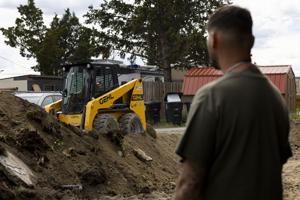
 Butte Bozeman, MT, September 22, 2026 — The U.S. Environmental Protection Agency (EPA) has officially implemented a reduction in the lead action level in Butte, Montana. This decision follows a protracted period of public discussion and engagement concerning the established thresholds for lead in the community’s environment.
The EPA’s action marks a formal step in addressing concerns that have been debated for years by residents, local officials, and environmental advocates in Butte. The specific details regarding the previous and newly established lead action levels were not provided in the available information, nor were the exact timelines for when this debate began or when the formal proposal for the change was initiated. The nature of the ‘public engagement’ and the specific outcomes of these discussions also remain unspecified.
Lead is a toxic metal that can cause serious health problems, particularly in children. Exposure can lead to developmental issues, learning disabilities, and other neurological damage. In adults, lead exposure can contribute to high blood pressure, kidney problems, and reproductive issues. The setting of action levels is a critical component of environmental health policy, intended to prompt corrective action when contaminant levels reach certain thresholds.
While the summary indicates that the change has been formally enacted, further details regarding the implementation timeline, the specific scientific basis for the revised level, and any immediate or anticipated impacts on Butte’s environmental management strategies were not included. The public engagement process is often a key part of regulatory changes, aiming to incorporate community feedback and ensure that decisions reflect local concerns and conditions.
The EPA’s role in setting and enforcing such standards is central to its mission of protecting human health and the environment. Historically, lead contamination issues in communities have arisen from sources such as aging water pipes, industrial activity, and lead-based paint. The agency typically works with state and local authorities to monitor environmental conditions and to implement necessary remediation efforts when standards are not met.
The significance of this lowered action level for Butte will likely depend on the specific context of lead presence in the area and the actions that follow this regulatory adjustment. The formalization of the reduced level suggests a concluded phase of deliberation and a move towards revised operational or monitoring protocols within the community.
Information regarding the precise measurements of the lead action level, the entities responsible for its enforcement in Butte, and any specific public health advisories or required actions for residents or businesses was not detailed in the summary. The duration of the ‘years of debate’ and the specific outcomes of the public engagement process are also subjects that would provide further context to this development.
Story summarized from the original created by DUNCAN ADAMS duncan.adams@mtstandard.com on mtstandard.com, see more information here.
Media gallery