
Anaconda Smelter Site Superfund Cleanup Progress Remains Vague
Superfund cleanup progress at the Anaconda Smelter site in the Butte-Bozeman region is not always readily apparent.
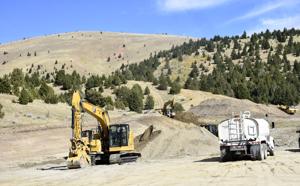
 Butte Bozeman, MT, October 1, 2026 — The Superfund cleanup efforts at the Anaconda Smelter site, located in the Butte-Bozeman region, are facing scrutiny regarding the visibility of their progress.
While Superfund designations are intended to address environmental contamination and facilitate remediation, the tangible results of these ongoing efforts at the Anaconda Smelter site are not consistently evident to observers. The process of cleaning up sites designated under the Superfund program can be complex and protracted, often involving extensive investigation, planning, and multi-phase remediation activities.
The Anaconda Smelter has a significant industrial history, and the environmental legacy of its operations has led to its inclusion in the Superfund program. This program, administered by the U.S. Environmental Protection Agency (EPA), aims to identify, investigate, and clean up the nation’s most hazardous waste sites. The Anaconda Smelter site is known to have been impacted by historical smelting operations, which can result in the release of various pollutants into the soil, water, and air.
However, the specific details regarding the current phase of cleanup, the timeline for completion, the methodologies being employed, or the extent of contamination being addressed are not always communicated in a way that makes the progress readily apparent. This lack of clear visibility can lead to public uncertainty about the effectiveness and pace of the remediation work. The complexity of environmental cleanup projects means that progress may not always be marked by easily observable changes, but rather by scientific assessments, technical milestones, and long-term monitoring.
The challenge of making environmental cleanup progress apparent to the public is a common issue faced at large-scale Superfund sites across the country. Stakeholders, including local communities, environmental groups, and regulatory bodies, often seek clear indicators of how remediation is proceeding and what impact it is having on the environment and public health. Without readily apparent signs of improvement or clear communication channels, perceptions of stalled or ineffective progress can emerge.
Further information regarding the specific remedial actions, timelines, and measurable outcomes of the cleanup at the Anaconda Smelter site would be necessary to provide a more complete picture of the progress being made. The contractor names, specific remediation techniques, permitting status, inspection outcomes, code violations, or fine amounts related to this site were not provided in the available information.
Story summarized from the original created by DUNCAN ADAMS duncan.adams@mtstandard.com on mtstandard.com, see more information here.
Media gallery
